Select Page

We are treating Alzheimer’s all wrong

Alzheimer’s disease (AD) poses a significant challenge in India, where the aging population is rapidly expanding, with over 5 million individuals currently affected and projections estimating a tripling by 2050. Traditional treatments have primarily targeted amyloid-beta (Aβ) plaques, with recent monoclonal antibodies like lecanemab and donanemab showing promise in slowing cognitive decline. However, these therapies fail to reverse brain damage or restore function, highlighting the limitations of single-target strategies. A groundbreaking review by Professor Yan-Jiang Wang and colleagues, published in *Science China Life Sciences*, argues that AD’s complexity demands a paradigm shift. Rather than isolating one cause, the disease emerges from interconnected factors including Aβ accumulation, Tau protein tangles, genetic predispositions, aging-related cellular changes, and systemic health issues. For Indian doctors managing diverse patient profiles—often complicated by comorbidities like diabetes and hypertension—this holistic perspective could transform clinical practice, emphasizing early intervention and personalized care to mitigate the socioeconomic burden on families and healthcare systems.

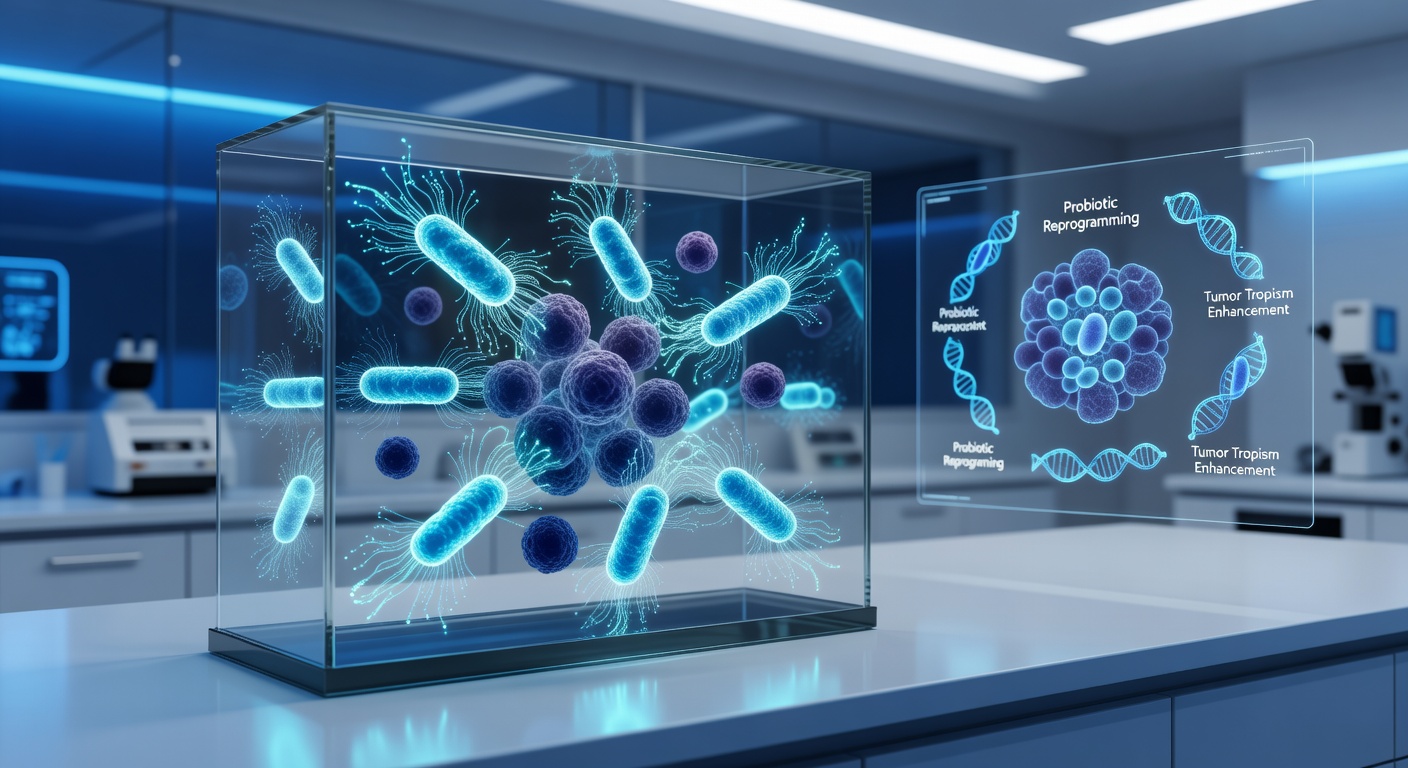
The review delves into key mechanisms reshaping AD research. Beyond Aβ, Tau hyperphosphorylation drives neurofibrillary tangles and neuronal loss, suggesting dual-target therapies for enhanced efficacy. Genetic factors, such as APOE ε4 variants prevalent in certain Indian populations, underscore the potential of CRISPR/Cas9 gene editing as a preventive tool. Aging, the primary risk factor, involves mitochondrial dysfunction, senescent cell accumulation, and DNA damage; emerging senolytic drugs could clear these cells to preserve brain health. Systemic influences, including insulin resistance, cardiovascular issues, and gut microbiome imbalances, link AD to whole-body health, opening avenues for repurposing diabetes medications or gut-brain axis interventions. The authors advocate integrated strategies, leveraging advanced models like human iPSC-derived organoids for drug testing and biomarkers such as plasma pTau217 for precision medicine. This multidisciplinary approach, combining neurology, genetics, and geriatrics, could make AD manageable or preventable. As Indian specialists navigate resource constraints, adopting these insights through collaborative research and public health initiatives may improve outcomes, reducing the disease’s devastating impact on cognition and quality of life.

 

Spread the love

Health Care : First Priority Always

Is the Recent COVID-19 Rise a Cause for Worry?

Is the Recent COVID-19 Rise a Cause for Worry?

Health officials in Telangana have reassured the public that the current uptick in COVID-19 cases follows a familiar seasonal pattern and does not signal increased danger. Similar mild rises occurred during the same period last year, with no signs of more severe...

A woman in casual wear holds her head as if in pain, possibly indicating a headache or stress.

Scientists found the Brain’s switch for chronic pain

Breakthrough in Neuroscience: Identifying the Brain’s Switch for Chronic Pain Recent research from the University of Colorado Boulder has uncovered a pivotal brain circuit that may dictate whether acute pain resolves or evolves into debilitating chronic pain, offering promising insights for pain management strategies. Published in the Journal of Neuroscience, the study focused on…

Colorful assortment of fresh vegetables in a local market setting.

How to encourage to try vegetables in meals

Summer holidays often bring mealtime struggles as parents coax children to eat more vegetables. Many families face daily battles over broccoli or other greens, yet simple strategies can turn tension into enjoyment while supporting children's growth and nutrition....

man raising his right hand

Creatine’s hidden power beyond muscle gains

### Creatine’s Emerging Role in Health: Beyond Athletic Performance Creatine, a naturally occurring compound synthesized in the liver, kidneys, and pancreas from amino acids like glycine, arginine, and methionine, plays a pivotal role in cellular energy production. Primarily stored in skeletal muscles (about 95%), with smaller amounts in the brain, heart, and other organs, it…

Close-up of a woman measuring her waist with a tape, representing fitness, health, and weight loss.

Scientists discover natural hormone that help treat obesity

### Breakthrough Discovery: Natural Hormone FGF21 Reverses Obesity via Brain Signaling In a groundbreaking study from the University of Oklahoma, researchers have elucidated the mechanism by which the naturally occurring hormone fibroblast growth factor 21 (FGF21) reverses obesity in mice, offering promising insights for human therapeutics. Published in *Cell Reports*, the findings reveal that FGF21…

person pouring tea into cup

Scientists reveal how seven days of fasting transforms the human body

A recent study published in *Nature Metabolism* provides one of the most detailed molecular maps of prolonged fasting in humans. Researchers at Queen Mary University of London tracked 12 healthy volunteers during a seven-day water-only fast using daily proteomics analysis of approximately 3,000 circulating proteins. The body switched from glucose to fat oxidation within 48–72…

pressnote

Send your PressNotes

Inaugurations, Seminars, News for your practice/institute, Announcements

Join Network of 1000s of Medical professionals and organizations. 

Medical Marketing is backbone of your Medical Practice Skeleton. Expert, Efficient Specialist Doctor and Successful Doctor are different.