
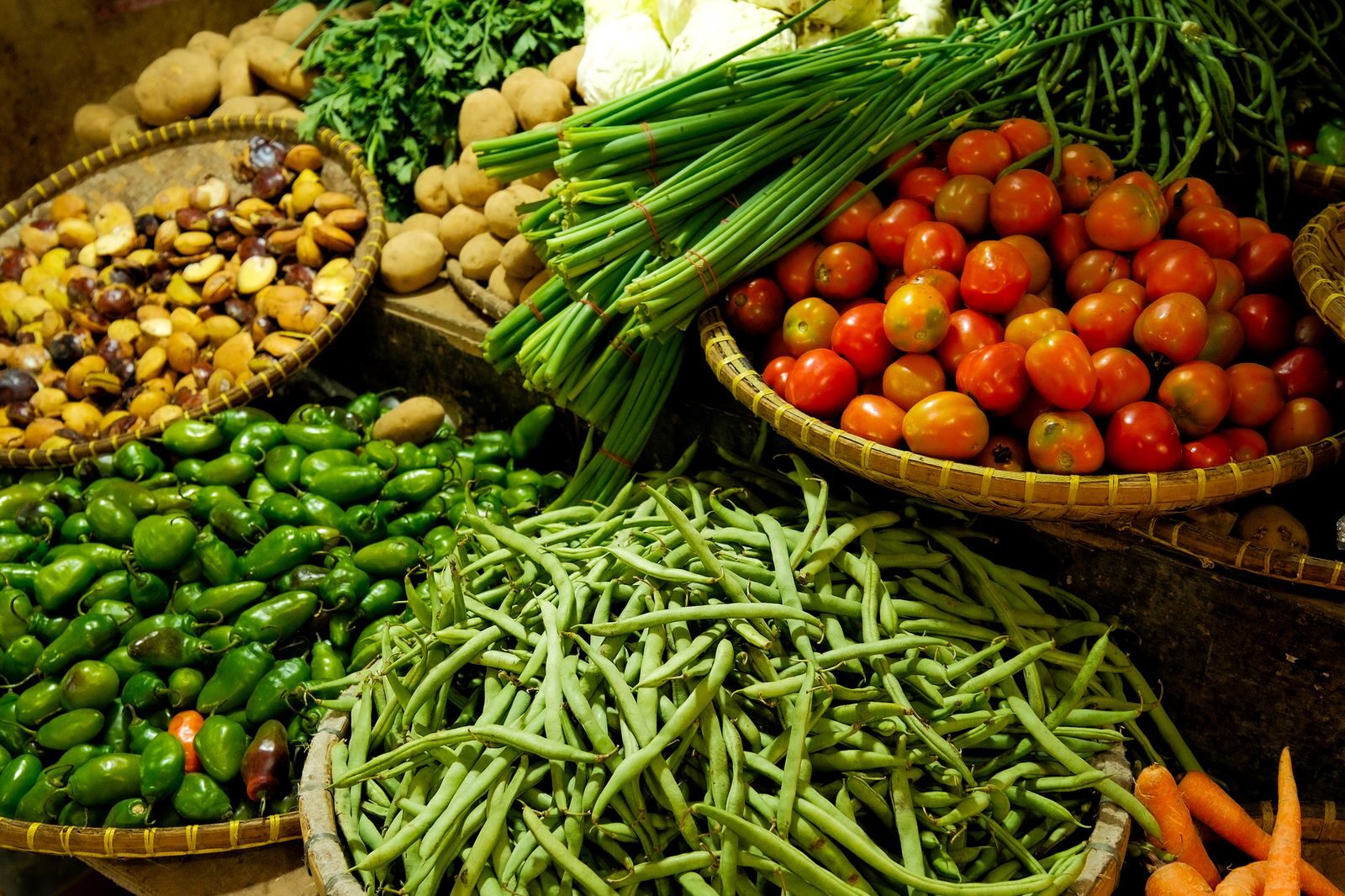
Summer holidays often bring mealtime struggles as parents coax children to eat more vegetables. Many families face daily battles over broccoli or other greens, yet simple strategies can turn tension into enjoyment while supporting children’s growth and nutrition.
Parents report success by disguising or pairing vegetables creatively. Fry green beans or cauliflower in a little butter, coat with breadcrumbs, and serve as nuggets for a familiar crunch. Blend vegetables into pasta sauces or pesto for hidden nutrition, or mix them into favourite dishes like curries and spaghetti Bolognese. Homemade burgers loaded with grated vegetables also appeal to young taste buds. These approaches boost intake of vitamins, fibre and antioxidants essential for immunity and digestion without creating conflict.
Routine helps during unstructured holidays. Visual boards showing upcoming snacks and activities reduce anxiety for some children. Offer multiple healthy choices so kids feel in control, and always include familiar vegetables on the plate even if untouched. Praise any interest shown, such as requesting carrots, to build positive associations.
Research indicates children may need up to 15 exposures before accepting new foods, so persistence pays off. Avoid forcing clean plates, which can create pressure and long-term resistance. Instead, model calm enjoyment of meals yourself.
Note that sensory issues linked to special educational needs differ from typical fussiness and may require tailored professional advice. Consistent, low-pressure exposure helps most children develop lifelong healthy eating habits that protect against future health concerns.