Select Page

Erythritol: Emerging Concerns on Stroke Risk and Vascular Health

erythritol risks

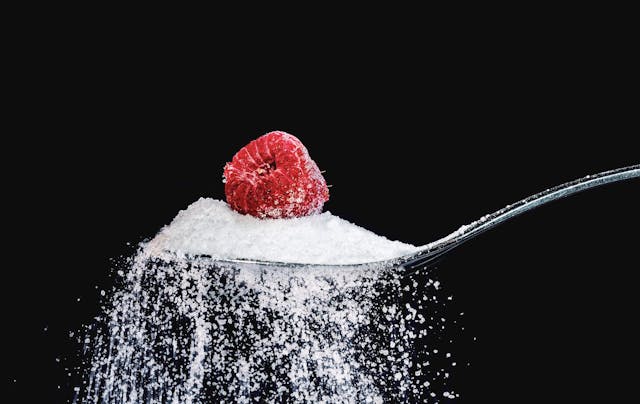
Erythritol, a widely used non-nutritive sugar alcohol approved by the FDA in 2001, has gained popularity in India and globally as a low-calorie sweetener in products like sugar-free sodas, keto bars, and low-carb foods. Derived primarily from fermented corn, it offers about 80% of sugar’s sweetness with minimal impact on insulin levels, making it a favored choice for patients managing diabetes, obesity, or carbohydrate-restricted diets.

However, recent research from the University of Colorado Boulder, published in the Journal of Applied Physiology, raises significant alarms about its potential health risks, particularly concerning brain vascular function and stroke susceptibility. Senior author Professor Christopher DeSouza and his team highlight that while erythritol has been deemed safe, accumulating evidence suggests otherwise. A large observational study involving 4,000 participants in the US and Europe linked elevated blood erythritol levels to a markedly higher incidence of heart attacks and strokes over three years, prompting deeper cellular investigations.

In their laboratory experiments, researchers exposed human endothelial cells lining brain blood vessels to erythritol concentrations equivalent to a single serving of a sugar-free beverage for three hours. The results revealed detrimental effects: reduced production of nitric oxide (essential for vasodilation), increased endothelin-1 (promoting vasoconstriction), diminished tissue plasminogen activator (t-PA) response to thrombin (impairing clot breakdown), and elevated reactive oxygen species (ROS), which contribute to oxidative stress, inflammation, and cellular damage.

These changes collectively heighten stroke risk by fostering vascular constriction, impaired fibrinolysis, and accelerated aging processes. DeSouza notes that chronic consumption—common among Indian patients using erythritol-laden products for metabolic control—could amplify these effects, though the study is cell-based and warrants human trials for confirmation. For Indian doctors, this underscores the need to advise patients, especially those with cardiovascular risk factors or diabetes, to scrutinize ingredient labels and moderate intake of non-nutritive sweeteners.

As erythritol’s use surges in India’s growing market for diabetic-friendly foods, integrating these findings into patient counseling could mitigate potential long-term vascular complications, emphasizing a balanced approach to artificial sweeteners amid evolving safety data.


 

Health Care : First Priority Always

Is the Recent COVID-19 Rise a Cause for Worry?

Is the Recent COVID-19 Rise a Cause for Worry?

Health officials in Telangana have reassured the public that the current uptick in COVID-19 cases follows a familiar seasonal pattern and does not signal increased danger. Similar mild rises occurred during the same period last year, with no signs of more severe...

A woman in casual wear holds her head as if in pain, possibly indicating a headache or stress.

Scientists found the Brain’s switch for chronic pain

Breakthrough in Neuroscience: Identifying the Brain’s Switch for Chronic Pain Recent research from the University of Colorado Boulder has uncovered a pivotal brain circuit that may dictate whether acute pain resolves or evolves into debilitating chronic pain, offering promising insights for pain management strategies. Published in the Journal of Neuroscience, the study focused on…

Colorful assortment of fresh vegetables in a local market setting.

How to encourage to try vegetables in meals

Summer holidays often bring mealtime struggles as parents coax children to eat more vegetables. Many families face daily battles over broccoli or other greens, yet simple strategies can turn tension into enjoyment while supporting children's growth and nutrition....

man raising his right hand

Creatine’s hidden power beyond muscle gains

### Creatine’s Emerging Role in Health: Beyond Athletic Performance Creatine, a naturally occurring compound synthesized in the liver, kidneys, and pancreas from amino acids like glycine, arginine, and methionine, plays a pivotal role in cellular energy production. Primarily stored in skeletal muscles (about 95%), with smaller amounts in the brain, heart, and other organs, it…

Close-up of a woman measuring her waist with a tape, representing fitness, health, and weight loss.

Scientists discover natural hormone that help treat obesity

### Breakthrough Discovery: Natural Hormone FGF21 Reverses Obesity via Brain Signaling In a groundbreaking study from the University of Oklahoma, researchers have elucidated the mechanism by which the naturally occurring hormone fibroblast growth factor 21 (FGF21) reverses obesity in mice, offering promising insights for human therapeutics. Published in *Cell Reports*, the findings reveal that FGF21…

person pouring tea into cup

Scientists reveal how seven days of fasting transforms the human body

A recent study published in *Nature Metabolism* provides one of the most detailed molecular maps of prolonged fasting in humans. Researchers at Queen Mary University of London tracked 12 healthy volunteers during a seven-day water-only fast using daily proteomics analysis of approximately 3,000 circulating proteins. The body switched from glucose to fat oxidation within 48–72…

pressnote

Send your PressNotes

Inaugurations, Seminars, News for your practice/institute, Announcements

Join Network of 1000s of Medical professionals and organizations. 

Medical Marketing is backbone of your Medical Practice Skeleton. Expert, Efficient Specialist Doctor and Successful Doctor are different.