Select Page

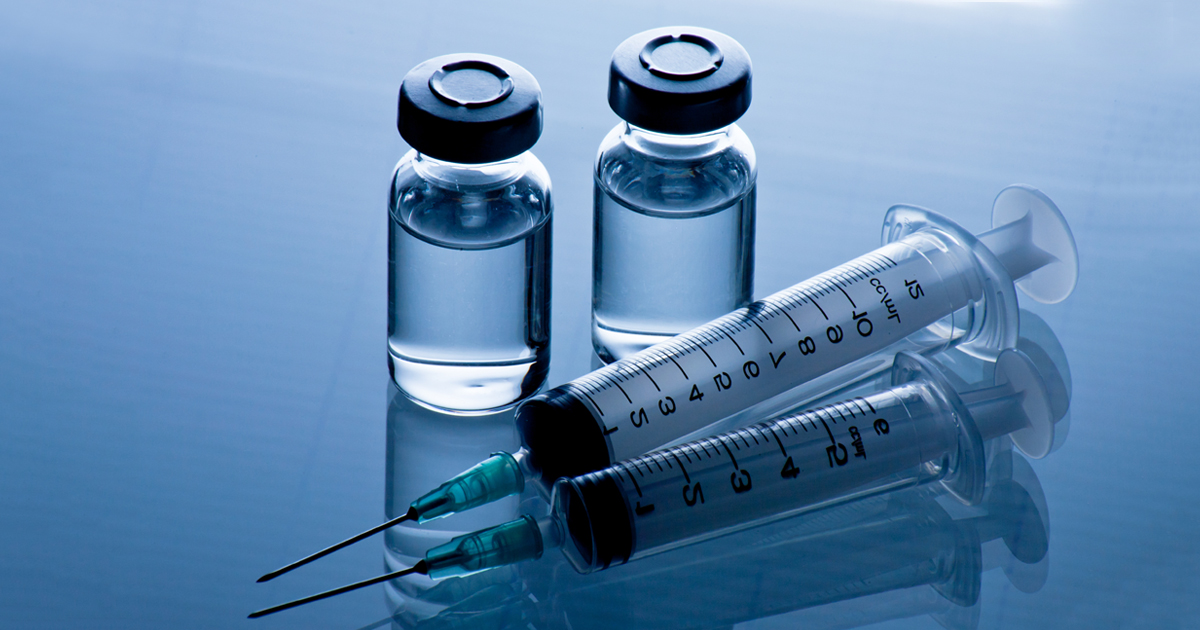
Advancements in Cryopreservation: Preventing Cracking in Frozen Transplant Organs


Cryopreservation, the technique of cooling biological tissues to sub-zero temperatures for long-term preservation, has long been a promising yet challenging frontier in medical science. For nearly a century, researchers have worked to refine this process, with significant progress marked in 2023 when scientists at the University of Minnesota successfully transplanted a cryopreserved kidney from one rat to another. This breakthrough highlighted the potential for frozen organs to revolutionize human transplantation, addressing critical shortages in organ availability. However, preserving larger organs poses substantial hurdles, particularly the risk of cracking due to rapid cooling, which can cause structural fractures and render tissues unusable. A pioneering team at Texas A&M University, led by Dr. Matthew Powell-Palm from the J. Mike Walker ’66 Department of Mechanical Engineering, has now developed an innovative approach to mitigate this issue. Their research focuses on optimizing vitrification—a process that cools tissues in specialized solutions to form a glass-like state, suspending cellular activity without forming harmful ice crystals. By investigating the glass transition temperature (Tg) of these solutions, the team discovered that higher Tg values significantly reduce the likelihood of cracking, providing a targeted strategy for safer organ freezing.

This finding offers Indian doctors and transplant specialists a clearer pathway to enhance cryopreservation protocols, potentially extending organ viability and improving outcomes in procedures like kidney, liver, or heart transplants. The study emphasizes the need for biocompatible solutions that not only prevent damage but also maintain tissue integrity. Beyond transplantation, these advancements hold broader implications for healthcare in India, where organ shortages and logistical challenges are acute; improved techniques could aid in wildlife conservation, vaccine storage amid tropical climates, and reducing food waste through better biological preservation. Co-authored by experts including Dr. Guillermo Aguilar and involving Ph.D. students and undergraduates, the research integrates mechanical engineering principles with cryobiology, funded by the National Science Foundation’s Engineering Research Center for Advanced Technologies for the Preservation of Biological Systems. As Powell-Palm notes, this interdisciplinary work underscores the holistic thinking required to advance cryopreservation from single cells to entire organs, paving the way for more viable biological systems. For Indian medical professionals, this could mean transformative changes in organ banking and emergency medicine, ultimately saving more lives.

 

Spread the love

Health Care : First Priority Always

Is the Recent COVID-19 Rise a Cause for Worry?

Is the Recent COVID-19 Rise a Cause for Worry?

Health officials in Telangana have reassured the public that the current uptick in COVID-19 cases follows a familiar seasonal pattern and does not signal increased danger. Similar mild rises occurred during the same period last year, with no signs of more severe...

A woman in casual wear holds her head as if in pain, possibly indicating a headache or stress.

Scientists found the Brain’s switch for chronic pain

Breakthrough in Neuroscience: Identifying the Brain’s Switch for Chronic Pain Recent research from the University of Colorado Boulder has uncovered a pivotal brain circuit that may dictate whether acute pain resolves or evolves into debilitating chronic pain, offering promising insights for pain management strategies. Published in the Journal of Neuroscience, the study focused on…

Colorful assortment of fresh vegetables in a local market setting.

How to encourage to try vegetables in meals

Summer holidays often bring mealtime struggles as parents coax children to eat more vegetables. Many families face daily battles over broccoli or other greens, yet simple strategies can turn tension into enjoyment while supporting children’s growth and...

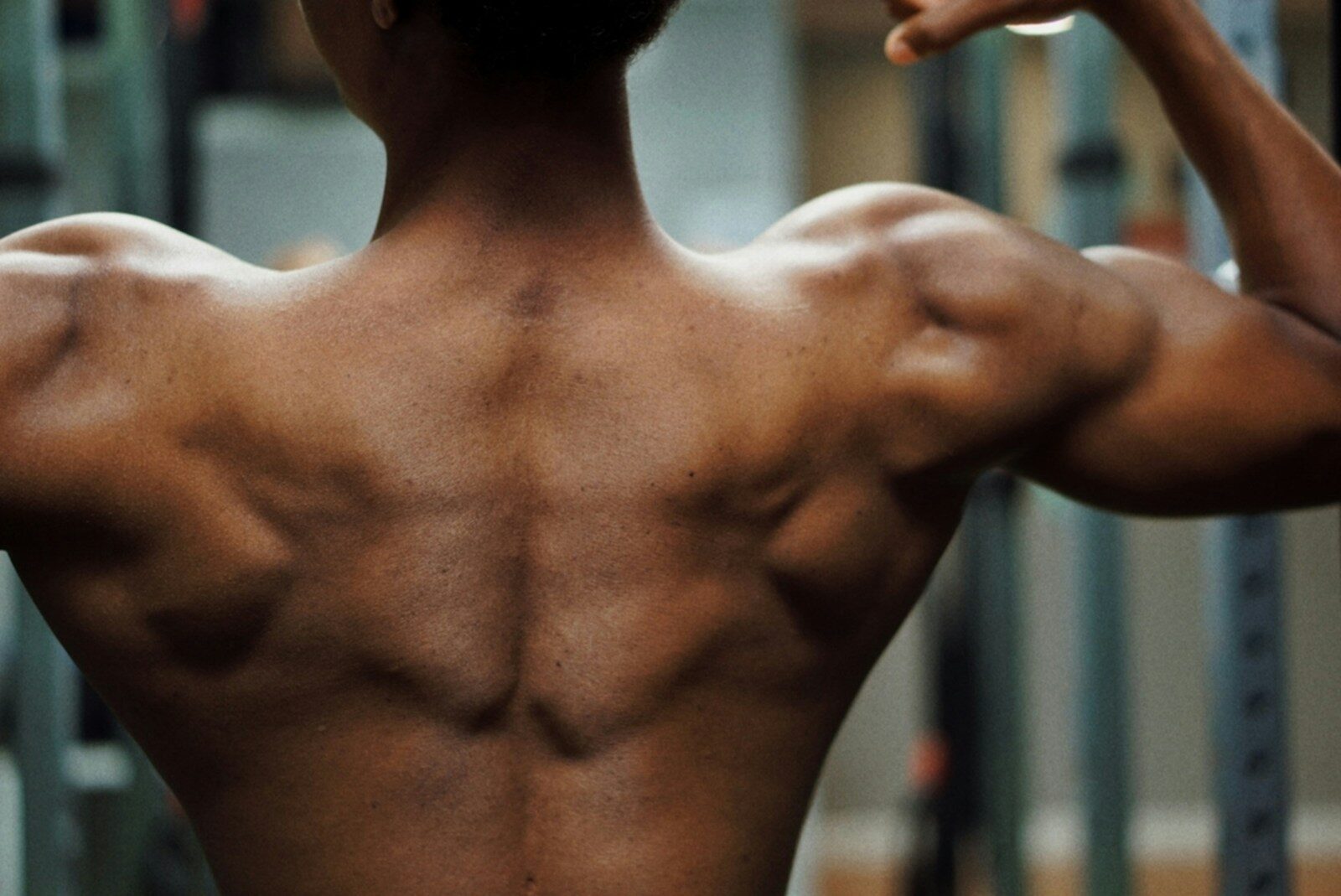
man raising his right hand

Creatine’s hidden power beyond muscle gains

### Creatine’s Emerging Role in Health: Beyond Athletic Performance Creatine, a naturally occurring compound synthesized in the liver, kidneys, and pancreas from amino acids like glycine, arginine, and methionine, plays a pivotal role in cellular energy production. Primarily stored in skeletal muscles (about 95%), with smaller amounts in the brain, heart, and other organs, it…

Close-up of a woman measuring her waist with a tape, representing fitness, health, and weight loss.

Scientists discover natural hormone that help treat obesity

### Breakthrough Discovery: Natural Hormone FGF21 Reverses Obesity via Brain Signaling In a groundbreaking study from the University of Oklahoma, researchers have elucidated the mechanism by which the naturally occurring hormone fibroblast growth factor 21 (FGF21) reverses obesity in mice, offering promising insights for human therapeutics. Published in *Cell Reports*, the findings reveal that FGF21…

person pouring tea into cup

Scientists reveal how seven days of fasting transforms the human body

A recent study published in *Nature Metabolism* provides one of the most detailed molecular maps of prolonged fasting in humans. Researchers at Queen Mary University of London tracked 12 healthy volunteers during a seven-day water-only fast using daily proteomics analysis of approximately 3,000 circulating proteins. The body switched from glucose to fat oxidation within 48–72…

cardio exercise

Scientists say just 30 minutes of exercise a week could transform your health

Recent research from Norwegian scientists indicates that just 30 minutes of high-intensity exercise weekly—roughly 4–10 minutes per session, performed at an intensity sufficient to raise heart rate to ~85% of maximum and induce noticeable breathlessness—can deliver clinically meaningful gains in cardiovascular fitness. This threshold, achievable through short interval protocols such as 4×4-minute efforts or Tabata-style…

dengue mosquito

India Gets Its First Dengue Vaccine

Dengue fever, a mosquito-borne illness, affects millions worldwide each year and poses a growing threat in India. The good news is that the country now has its first approved dengue vaccine. The Drug Controller General of India has cleared Takeda’s Qdenga for people...

Why Fortified Rice Matters for Your Family’s Health

Why Fortified Rice Matters for Your Family’s Health

Many families are looking for simple ways to boost nutrition amid rising lifestyle diseases like diabetes and high blood pressure. Fortified rice offers one practical solution by adding key nutrients directly into a daily staple that millions already enjoy. Health...

pressnote

Send your PressNotes

Inaugurations, Seminars, News for your practice/institute, Announcements

Join Network of 1000s of Medical professionals and organizations. 

Medical Marketing is backbone of your Medical Practice Skeleton. Expert, Efficient Specialist Doctor and Successful Doctor are different.