
Select Page

Advancements in CAR-NK Cell Therapy: Enhancing Immune Cells for Superior Cancer Targeting

Scientists inject one tumor and watch cancer vanish across the body

Brazilian researchers at the Ribeirão Preto Blood Center and the Center for Cell-Based Therapy (CTC) have made significant strides in cancer immunotherapy by engineering natural killer (NK) cells to be more potent and precise against tumors. Utilizing the NK-92 cell line, the team designed chimeric antigen receptors (CARs) incorporating costimulatory domains such as 2B4 and DAP12, which amplify the cells’ activation signals. This innovation addresses key limitations in traditional CAR therapies, particularly for blood cancers, where CAR-T cells have shown promise but CAR-NK cells remain underexplored. The study, published in *Frontiers in Immunology*, demonstrates that these modifications render NK cells “primed for attack,” markedly improving their cytotoxicity against tumor cells in vitro. By focusing on intracellular signaling mechanisms, the researchers overcame challenges like suboptimal activation, paving the way for more effective, off-the-shelf immunotherapies that could reduce reliance on patient-specific cells and minimize side effects such as cytokine release syndrome.

To further refine this approach, the team integrated pharmacological control using dasatinib, a tyrosine kinase inhibitor that temporarily halts NK cell activity, allowing for reversible modulation. Preclinical experiments in animal models revealed that CAR-NK cells with 2B4-DAP12 enhancements, combined with dasatinib pretreatment, exhibited superior tumor growth inhibition compared to conventional designs. This dual strategy—optimizing activation signals while enabling on-demand suppression—holds potential for safer, more adaptable treatments, especially in solid tumors where NK cell persistence is crucial. Supported by the São Paulo Research Foundation (FAPESP) and affiliated with the University of São Paulo’s Ribeirão Preto Medical School, this collaborative effort underscores the evolving landscape of cell-based therapies. For Indian oncologists, these findings could inform clinical trials and personalized medicine strategies, potentially integrating with existing protocols like those for leukemia or lymphoma. As immunotherapy gains traction in India amid rising cancer incidence, such advancements may enhance accessibility and efficacy, though further human studies are needed to validate safety and long-term outcomes.
 

Spread the love

Health Care : First Priority Always

Dr. Shweta Tilara

Dr. Shweta Tilara

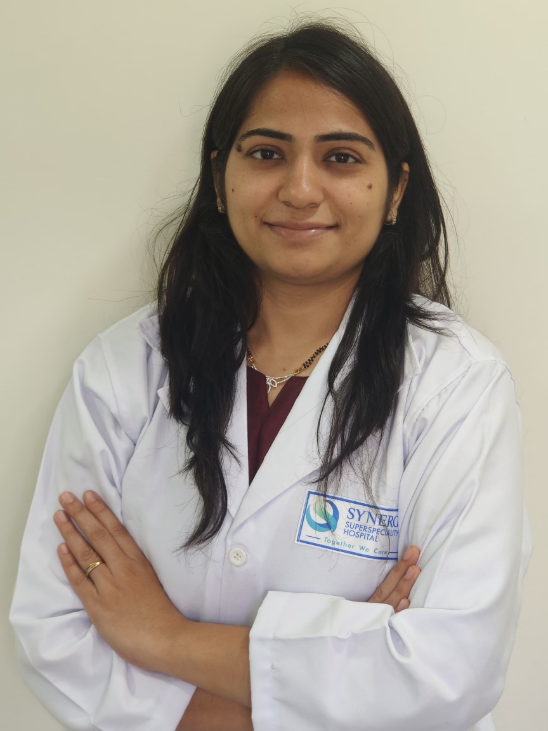
Dr. Shweta Tilara is a renowned Oncologist practicing in Rajkot for 9 years. Her consultancy and treatment can be availed through appointment from HCG Hospital Rajkot or Star Synergy Hospital, Rajkot. With Degree in DrNB, Medical Oncology and experience of diagnosis and treatment of thousands of patients, she specializes in prevention and treatment of Cancers, Nuclear therapy, Targeted therapy, Immuno therapy, Radio Chemotherapy, Bone Marrow Transplant etc.

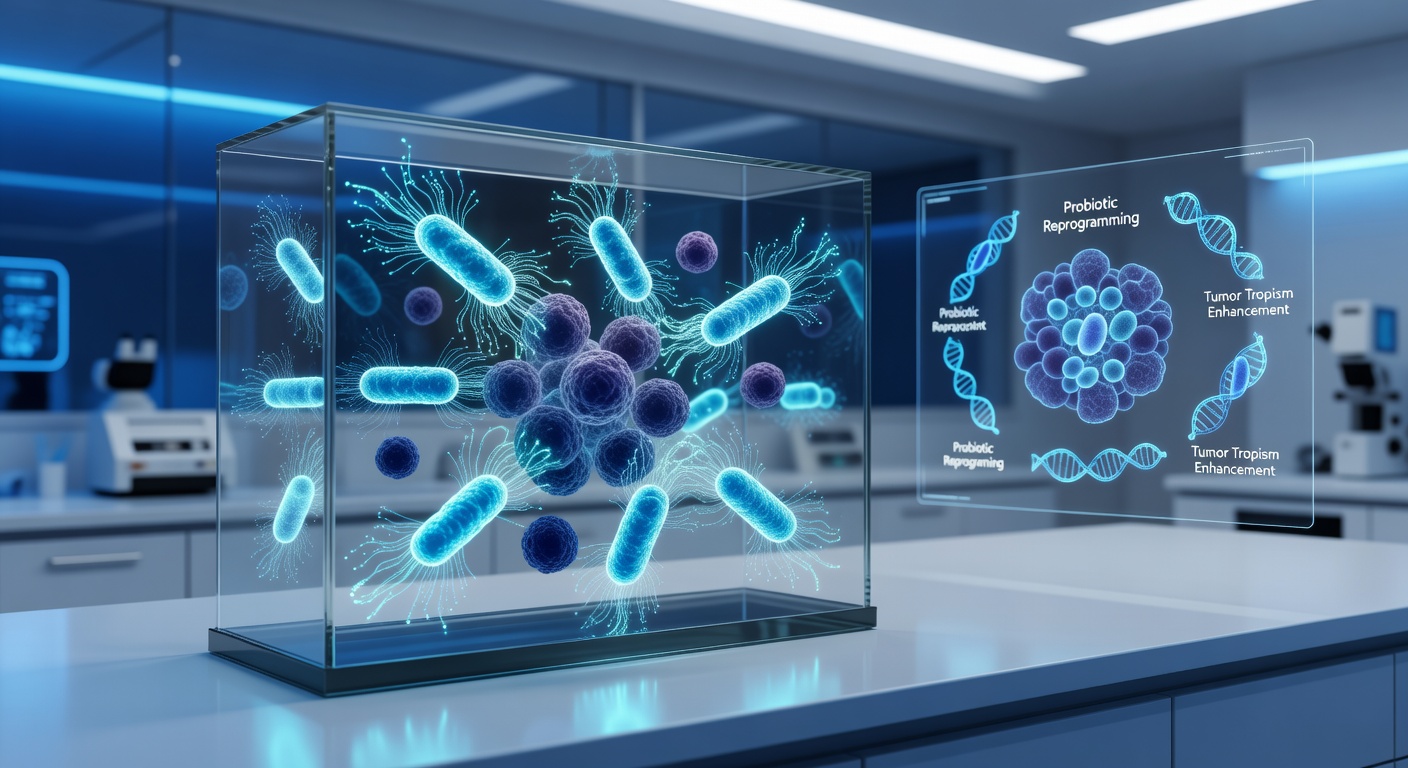
Scientists turn probiotic bacteria into tumor-hunting cancer killers

Vitamin D Supplementation Enhances Chemotherapy Response in Breast Cancer

Vitamin D Supplementation Enhances Chemotherapy Response in Breast Cancer: Insights from a Brazilian Study A recent study from the Botucatu School of Medicine at São Paulo State University (FMB-UNESP), Brazil, highlights the potential of low-dose vitamin D supplementation to significantly improve outcomes in breast cancer patients undergoing neoadjuvant chemotherapy. Involving 80 women aged over…

GLP-1 Drug Improved Motivation in Major Depressive Disorder

GLP-1 Drug may help in Major Depressive Disorder

### GLP-1 Agonist Semaglutide Shows Promise in Enhancing Motivation for MDD Patients A recent secondary analysis of a randomized controlled trial has revealed that oral semaglutide (Rybelsus), a GLP-1 receptor agonist commonly used in diabetes management, significantly improves motivation in patients with major depressive disorder (MDD) and comorbid overweight or obesity. In the study involving…

Advancements in Cryopreservation: Preventing Cracking in Frozen Transplant Organs

Advancements in Cryopreservation: Preventing Cracking in Frozen Transplant Organs Cryopreservation, the technique of cooling biological tissues to sub-zero temperatures for long-term preservation, has long been a promising yet challenging frontier in medical science. For nearly a century, researchers have worked to refine this process, with significant progress marked in 2023 when scientists at the…

Paediatrics

Repurposing DFMO: Treating Rare Genetic Disorders in Children

Repurposing DFMO: A Promising Avenue for Treating Rare Genetic Disorders in Children A decades-old medication, difluoromethylornithine (DFMO or eflornithine), traditionally used for treating West African sleeping sickness, reducing unwanted facial hair in women, and preventing neuroblastoma recurrence, is now showing potential in addressing Bachmann-Bupp syndrome (BABS), an ultra-rare life-threatening genetic disorder. Affecting only about…

What is the dirtiest thing in public bathrooms ?

What is the dirtiest thing in public bathrooms ?

Public Bathroom Hygiene: Beyond the Toilet Seat – Insights for Infection Prevention Public restrooms pose significant hygiene challenges, particularly for patients with conditions requiring frequent visits, such as diabetes or urinary tract issues, which are prevalent in India. Contrary to common fears, toilet seats are not the primary source of contamination in these facilities….

We are treating Alzheimer’s all wrong

### Rethinking Alzheimer’s Treatment: A Multifactorial Approach for Better Outcomes Alzheimer’s disease (AD) poses a significant challenge in India, where the aging population is rapidly expanding, with over 5 million individuals currently affected and projections estimating a tripling by 2050. Traditional treatments have primarily targeted amyloid-beta (Aβ) plaques, with recent monoclonal antibodies like lecanemab and…

This May Reduce Alzheimer’s risk by 38%

### Lifelong Cognitive Enrichment Linked to Reduced Alzheimer’s Risk: Insights from Recent Neurology Study A recent study published in Neurology, the journal of the American Academy of Neurology, highlights a significant association between lifelong engagement in mentally stimulating activities and a reduced risk of Alzheimer’s disease (AD) and cognitive decline. Researchers from Rush University Medical…

erythritol risks

Erythritol: Emerging Concerns on Stroke Risk and Vascular Health

Erythritol: Emerging Concerns on Stroke Risk and Vascular Health Erythritol, a widely used non-nutritive sugar alcohol approved by the FDA in 2001, has gained popularity in India and globally as a low-calorie sweetener in products like sugar-free sodas, keto bars, and low-carb foods. Derived primarily from fermented corn, it offers about 80% of sugar’s…

Why your appetite vanishes when sick

### Understanding Appetite Loss During Illness: Insights from Gut-Brain Signaling Researchers at the University of California, San Francisco (UCSF), have elucidated the biological mechanism behind the common phenomenon of appetite suppression during infections, particularly parasitic worm infestations, which affect millions globally, including in India where helminth infections remain prevalent. This breakthrough, published in *Nature* on…

pressnote

Send your PressNotes

Inaugurations, Seminars, News for your practice/institute, Announcements

Join Network of 1000s of Medical professionals and organizations. 

Medical Marketing is backbone of your Medical Practice Skeleton. Expert, Efficient Specialist Doctor and Successful Doctor are different.