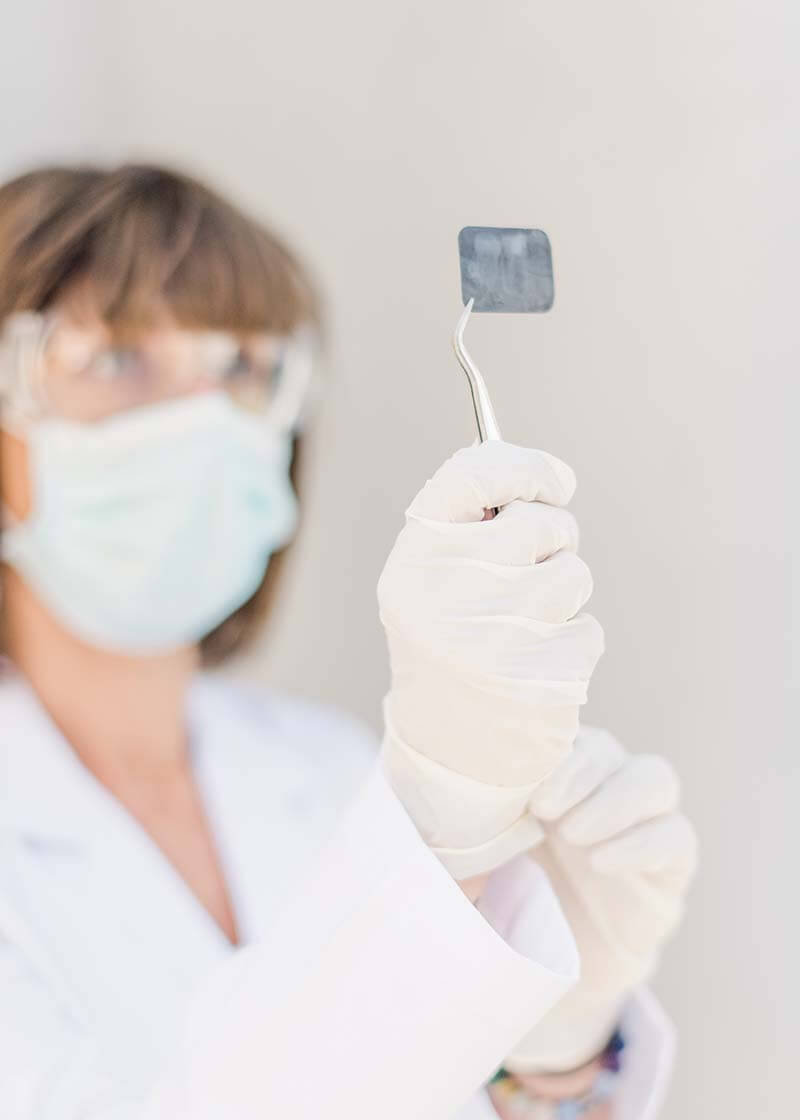
Teeth discoloration is a common concern among patients, often resulting from genetic factors or dietary habits such as consuming coffee, tea, or tomatoes, which can lead to persistent staining despite regular oral hygiene. Traditional whitening products, including peroxide-based gels, strips, and rinses, rely on reactive oxygen species (ROS) to break down stain molecules but frequently compromise tooth enamel, increasing susceptibility to further damage and sensitivity. Addressing this challenge, researchers from the Chinese Academy of Sciences have developed an experimental ceramic powder called BSCT (barium strontium calcium titanate), as detailed in a study published in ACS Nano. This powder harnesses the piezoelectric effect, generating a mild electric field through the vibrations of an electric toothbrush, which selectively produces ROS for whitening while simultaneously promoting enamel repair. For Indian doctors, particularly those in general practice or dentistry, this innovation represents a promising advancement in at-home oral care, potentially reducing the need for invasive professional treatments and minimizing risks associated with chemical bleaches.
The BSCT powder is synthesized by combining strontium, calcium, and barium ions with titanate, forming a biocompatible material that not only whitens but also deposits minerals to rebuild damaged enamel and dentin structures. Laboratory tests on human teeth stained with tea and coffee demonstrated significant results: after four hours of brushing, noticeable whitening occurred, escalating to nearly 50% improvement by 12 hours compared to controls using saline. In vivo studies on rats with high-sugar diets further revealed that daily one-minute applications over four weeks rebalanced the oral microbiome, suppressing harmful bacteria like Porphyromonas gingivalis and Staphylococcus aureus while alleviating inflammation. Lead author Min Xing emphasizes its role in integrating whitening, enamel restoration, and microbial equilibrium for sustained oral health. Although not yet commercialized as a toothpaste, this technology could evolve into accessible, protective whitening options, especially relevant in India where rising awareness of cosmetic dentistry intersects with prevalent issues like enamel erosion from acidic diets. Funded by institutions including the Chinese Academy of Sciences and Shanghai’s Science and Technology Commission, these findings underscore the potential for safer, multifunctional dental products, encouraging further clinical trials to validate efficacy in diverse populations.