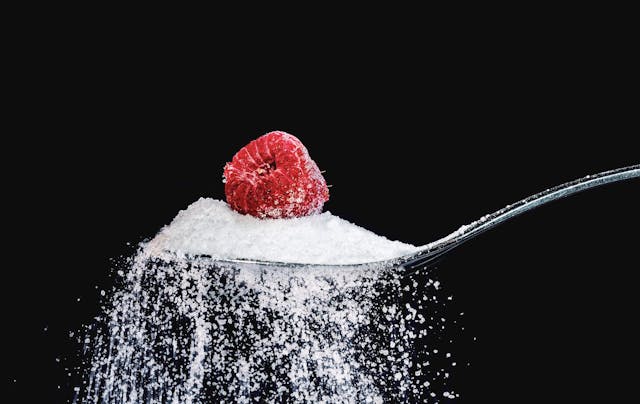
Erythritol, a widely used non-nutritive sugar alcohol approved by the FDA in 2001, has gained popularity in India and globally as a low-calorie sweetener in products like sugar-free sodas, keto bars, and low-carb foods. Derived primarily from fermented corn, it offers about 80% of sugar’s sweetness with minimal impact on insulin levels, making it a favored choice for patients managing diabetes, obesity, or carbohydrate-restricted diets.
However, recent research from the University of Colorado Boulder, published in the Journal of Applied Physiology, raises significant alarms about its potential health risks, particularly concerning brain vascular function and stroke susceptibility. Senior author Professor Christopher DeSouza and his team highlight that while erythritol has been deemed safe, accumulating evidence suggests otherwise. A large observational study involving 4,000 participants in the US and Europe linked elevated blood erythritol levels to a markedly higher incidence of heart attacks and strokes over three years, prompting deeper cellular investigations.
In their laboratory experiments, researchers exposed human endothelial cells lining brain blood vessels to erythritol concentrations equivalent to a single serving of a sugar-free beverage for three hours. The results revealed detrimental effects: reduced production of nitric oxide (essential for vasodilation), increased endothelin-1 (promoting vasoconstriction), diminished tissue plasminogen activator (t-PA) response to thrombin (impairing clot breakdown), and elevated reactive oxygen species (ROS), which contribute to oxidative stress, inflammation, and cellular damage.
These changes collectively heighten stroke risk by fostering vascular constriction, impaired fibrinolysis, and accelerated aging processes. DeSouza notes that chronic consumption—common among Indian patients using erythritol-laden products for metabolic control—could amplify these effects, though the study is cell-based and warrants human trials for confirmation. For Indian doctors, this underscores the need to advise patients, especially those with cardiovascular risk factors or diabetes, to scrutinize ingredient labels and moderate intake of non-nutritive sweeteners.
As erythritol’s use surges in India’s growing market for diabetic-friendly foods, integrating these findings into patient counseling could mitigate potential long-term vascular complications, emphasizing a balanced approach to artificial sweeteners amid evolving safety data.